Skip to content
Chennai, Tamil Nadu, 600106

Business hours

Apple Dental Clinic

Monday
9:30am-9:30pm
Tuesday
9:30am-9:30pm
Wednesday
9:30am-9:30pm
Thursday
9:30am-9:30pm
Friday
9:30am-9:30pm
Saturday
9:30am-9:30pm
Sunday
10am-2pm

You can contact us anytime during the day with your query.

4442077450

Latest Posts & Updates

Fresh stories, announcements and offers about Dental Clinic, Dentist, Orthodontist, straight from our business.

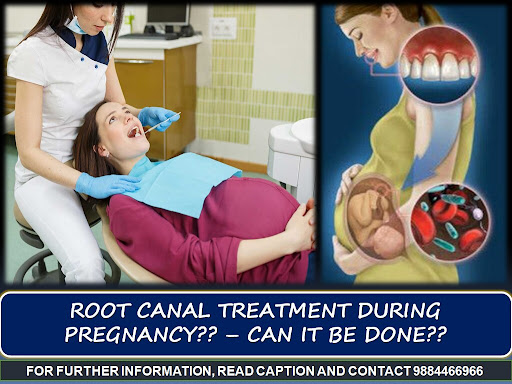
Pregnancy is a time of significant changes in a woman’s body, and often raises questions about th…

Pregnancy is a time of significant changes in a woman’s body, and often raises questions about the safety of various medical procedures, including dental treatments. Root canal therapy, a common dental procedure to treat infected or damaged tooth roots, is one such procedure that may cause concern for pregnant women. Understanding the safety and considerations of root canals during pregnancy can help alleviate anxiety and inform decision-making. Considerations for Root Canals During Pregnancy: While root canals are generally safe during pregnancy, there are some considerations to keep in mind: Timing of the Procedure: Root canals are typically considered most appropriate during the second trimester of pregnancy, as the first trimester is a critical period for fetal development and the third trimester may pose logistical challenges. Anesthesia Options: X-rays are typically avoided during pregnancy unless absolutely necessary. However, if X-rays are required, a protective lead apron is used to shield the abdomen from radiation. Post-Procedure Care: Follow your dentist’s instructions carefully for post-procedure care, including taking any prescribed medications and maintaining proper oral hygiene. Open communication with both your dentist and your obstetrician is essential when considering a root canal during pregnancy. Your dentist will assess your individual oral health needs and determine if a root canal is necessary. Your o...
Pregnancy is a time of significant changes in a woman’s body, and often raises questions about th… post imageRead full post

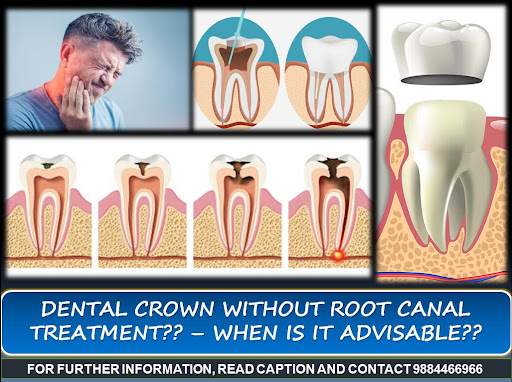
Although root canals and dental crowns are two different procedures, they share the same goal. To…

Although root canals and dental crowns are two different procedures, they share the same goal. To protect and save the tooth for as long as possible. Root canal treatment involves treating the inside of the tooth when the pulp is irreversibly damaged. A crown, on the other hand, restores the visible part of the tooth. You may think that placing a crown would automatically require a root canal as the two often go together. However, this is not always the case. A dental crown, a cap for damaged teeth, can be placed without a root canal if the tooth's damage is superficial, compromising only the enamel and the outer parts of the dentin. Root canals are needed when a tooth’s nerve and pulp are inflamed, infected, or dead, often due to deep cavities or injury. While crowns can be used independently of root canals for less severe tooth damage, a crown is usually necessary after a root canal to strengthen the weakened tooth. The necessity of either a crown or a root canal depends on the specific condition and extent of damage to the tooth. Dental treatment decisions, such as whether to opt for a crown, root canal, or both, should be made after consulting with a dentist who will evaluate the tooth’s condition. The simple “rule of thumb” says this: if the nerve of the tooth is involved/affected, a root canal will be needed. If the nerve is healthy and intact, the tooth shouldn’t need a root canal. Dr. Deepak Kamalanathan, one of the ...

Although root canals and dental crowns are two different procedures, they share the same goal. To… post imageRead full post

Orthodontic problems, such as misaligned teeth or improper jaw positioning, can cause more than j…

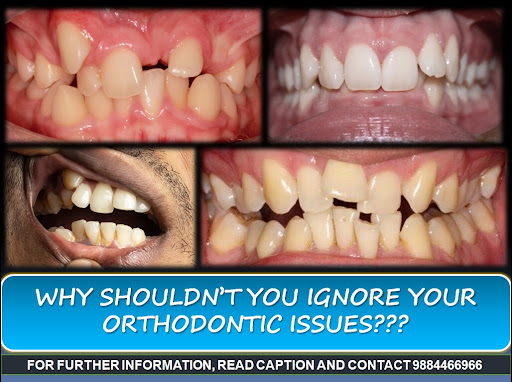
Orthodontic problems, such as misaligned teeth or improper jaw positioning, can cause more than just aesthetic concerns. If left untreated, these issues can eventually lead to serious dental and overall health problems. Understanding the impact of untreated orthodontic issues highlights why early intervention is so important. Misaligned teeth make it harder to maintain good oral hygiene, as crowded or overlapping teeth create spaces where food particles and plaque can build up. Over time, this can lead to issues such as: Tooth Decay: Hard-to-reach areas are more prone to cavities due to inadequate cleaning. Gum Disease: Plaque buildup can cause inflammation and infection of the gums, leading to periodontal disease. Tooth Loss: Severe gum disease can result in the loss of teeth if left untreated. In addition, orthodontic issues often cause uneven wear on teeth. For example, an improper bite can lead to excessive wear on certain teeth, weakening enamel and increasing the risk of fractures. Over time, this wear can result in tooth sensitivity, damage, or the need for restorative procedures like crowns or veneers. By addressing orthodontic issues as early as possible, you can reduce your risk of these complications and improve your long-term oral health. Investing in orthodontic care today is an investment in your health and confidence for years to come. Dr. Deepak Kamalanathan, one of the leading prosthodontists in Chennai, bri...

Orthodontic problems, such as misaligned teeth or improper jaw positioning, can cause more than j… post imageRead full post

Jawbone loss refers to the deterioration of the jawbone tissue. Your jawbone supports your teeth…

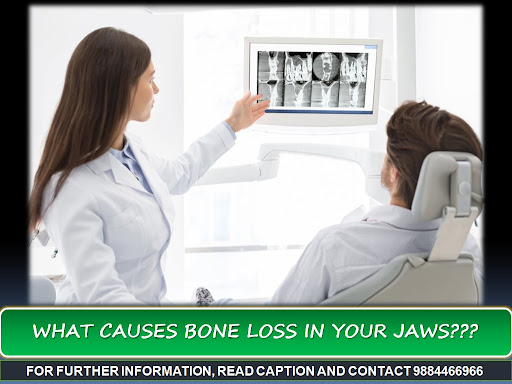
Jawbone loss refers to the deterioration of the jawbone tissue. Your jawbone supports your teeth and gives structure to your face. When the bone weakens, it can lead to various dental issues, such as loose teeth, gum disease, or even a change in the shape of your face. Without intervention, this condition may progress to the point where it becomes difficult to chew, speak, or even maintain your natural teeth. That’s why it’s important to catch it early and explore treatment options. Several factors can contribute to the gradual loss of jawbone density, and it’s important to be aware of the symptoms. The most common causes include: Tooth Loss or Extraction: One of the main reasons for jawbone loss is the absence of teeth. When you lose a tooth, whether due to injury or extraction, the area of the jaw that once supported the tooth root no longer receives the stimulation it needs. Over time, this lack of stimulation causes the bone to deteriorate. Periodontal (Gum) Disease: Chronic periodontal disease is another major cause of jawbone loss. This infection of the gums destroys the tissue and bone that hold your teeth in place. Left untreated, gum disease can progress from gingivitis to periodontitis, resulting in tooth loss and significant jawbone deterioration. Dentures and Bridges: While traditional dentures and dental bridges serve as replacements for missing teeth, they don’t stimulate the jawbone the way natural...

Jawbone loss refers to the deterioration of the jawbone tissue. Your jawbone supports your teeth… post imageRead full post

Aging: As you age, your teeth may naturally shift due to changes in your jawbone and the surround…

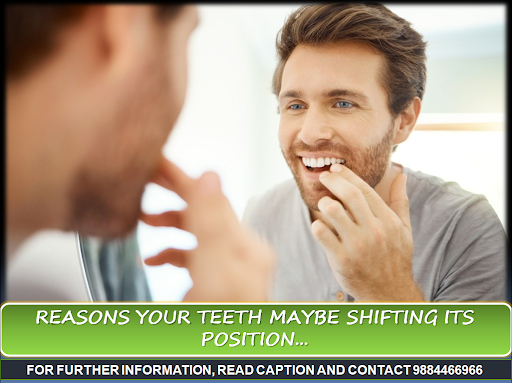
Aging: As you age, your teeth may naturally shift due to changes in your jawbone and the surrounding structures. The bone density in your jaw decreases over time, leading to a gradual movement of teeth. Tooth Loss: Losing a tooth creates a gap in your mouth, which can cause the surrounding teeth to shift into the empty space. This movement can lead to misalignment and bite issues, which not only affect the appearance of your smile but also your ability to chew & speak properly. Gum Disease: Gum disease can weaken the structures that support your teeth, leading to loosening & shifting. As the disease progresses, it can damage the bone and tissue that hold your teeth in place, causing them to move out of alignment. This shifting can be gradual, but over time, it can lead to noticeable changes in the way your teeth fit together. Teeth Grinding (Bruxism): Grinding your teeth, especially at night, can put excessive pressure on your teeth and cause them to shift over time. Bruxism can also lead to tooth wear, fractures & other dental issues that contribute to misalignment. Visit us @AppleDental for more details!

Aging: As you age, your teeth may naturally shift due to changes in your jawbone and the surround… post imageRead full post

From gum contouring to treating periodontal disease, lasers offer a level of precision that was o…

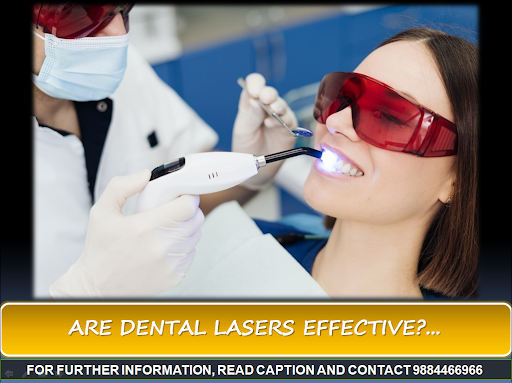
From gum contouring to treating periodontal disease, lasers offer a level of precision that was once thought to be unattainable. Dental lasers are also employed in hard tissue procedures, such as cavity preparation and tooth decay removal. The precision of lasers enables dentists to target only the affected areas, preserving more of the healthy structure.  The controlled energy of lasers allows for minimal bleeding, reduced swelling, and faster healing times, providing patients with a more comfortable experience compared to traditional methods. It also maximizes patient comfort during the procedure and even reduces the need for anesthesia in some cases. As technology continues to advance, the role of dental lasers in dental care is likely to expand. Their effectiveness in addressing various oral concerns has illuminated a path to more efficient & patient-friendly dental procedures. Whether you’re interested in a cosmetic procedure like gum contouring or need decay removed to protect your oral health, dental laser treatments may be right for you. Visit us to know more!

From gum contouring to treating periodontal disease, lasers offer a level of precision that was o… post imageRead full post

While TMD primarily affects the jaw, its impact is not confined to this area alone. The interconn…

While TMD primarily affects the jaw, its impact is not confined to this area alone. The interconnectedness of the body’s systems means that problems in one area can lead to complications in others. One of the most immediate and noticeable effects of TMD is chronic pain. This pain can manifest in your jaw, face, neck, and shoulders, leading to a constant state of discomfort. Additionally, TMD is often linked to conditions like sleep apnea and bruxism (teeth grinding), which can lead to fragmented sleep and reduced sleep quality which can have cascading effects on your health, contributing to fatigue, mood disorders & weakened immune function. The chronic pain, sleep disturbances, and frequent headaches associated with the disorder can lead to increased stress, anxiety, depression, and hence takes a toll on your mental health!

While TMD primarily affects the jaw, its impact is not confined to this area alone. The interconn… post imageRead full post

Practice Good Oral Hygiene: Consistent and thorough oral hygiene is the foundation of preventing…

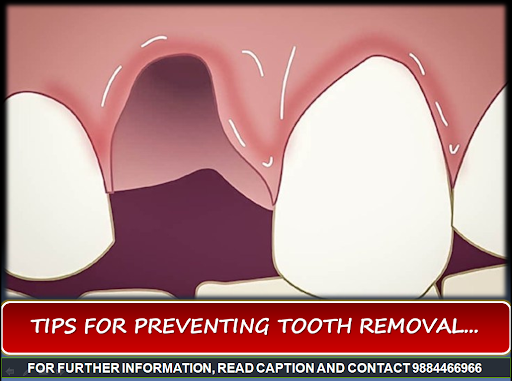
Practice Good Oral Hygiene: Consistent and thorough oral hygiene is the foundation of preventing dental extractions. Brush your teeth at least twice a day using fluoride toothpaste and a soft-bristled toothbrush. It’s important to floss daily to remove plaque and food particles from between your teeth and under the gum line to prevent infection and cavities. Don’t Delay Dental Care: Regular dental check-ups and cleanings are vital for early detection of dental problems. Visit your dentist every six months for a comprehensive examination and cleaning. Your dentist can identify any potential issues early on and recommend appropriate treatments to prevent the need for extractions. Maintain a Healthy Lifestyle: Doing your best to keep healthy habits will have a positive impact on your oral health and overall well-being. Your diet plays a significant role in your oral health. Avoid excessive consumption of sugary and acidic foods and drinks, as they can contribute to tooth decay. If you’re looking for ways to improve your oral health, it’s also a good idea to avoid smoking or using chewing tobacco. By following these preventive measures and adopting a proactive approach to your dental care, you can maintain a healthy SMILE!

Practice Good Oral Hygiene: Consistent and thorough oral hygiene is the foundation of preventing… post imageRead full post

One common reason for recommending tooth extractions before braces is to address issues of insuff…

One common reason for recommending tooth extractions before braces is to address issues of insufficient space in the jaw. When there isn’t enough room for all the teeth to align properly, it can result in overlapping or misalignment. In such cases, removing one/more teeth creates the necessary space for the remaining teeth to shift into proper alignment during orthodontic treatment. It’s important to note that the decision to recommend tooth extractions before braces is highly individualized. Orthodontists carefully assess each patient’s unique dental anatomy, alignment issues, and treatment goals before proposing a customized treatment plan. The goal is to achieve optimal results that not only address cosmetic concerns but also promote long-term oral health & stability. The need for tooth extractions before getting braces is a decision that depends on various factors, including crowding, bite irregularities & protruding teeth. The expertise of an orthodontist is crucial in assessing your unique dental anatomy & developing a custom treatment plan that aligns with your goals for a straighter, healthier smile. To know more, visit us!

One common reason for recommending tooth extractions before braces is to address issues of insuff… post imageRead full post

Orthodontic treatment involves the use of braces, aligners, or other appliances to correct misali…

Orthodontic treatment involves the use of braces, aligners, or other appliances to correct misalignments of your teeth and jaw. The goal of orthodontic treatment is to: Realign the Jaw: Correcting misaligned teeth & jaws can alleviate stress on the TMJ & reduce discomfort. Improve Bite Alignment: Proper bite alignment distributes forces evenly throughout the jaw, reducing strain on the TMJ. Address Teeth Grinding: Orthodontic treatment can help improve the alignment of your teeth which may lessen teeth grinding habits. If you are experiencing symptoms of TMD, consult with a dentist experienced in treating TMD-related issues. Orthodontic treatment can provide long-lasting relief from TMD symptoms and improve the overall function of your smile after complete evaluation.

Orthodontic treatment involves the use of braces, aligners, or other appliances to correct misali… post imageRead full post

Oral care begins even before your child’s first tooth emerges. You can gently wipe their gums wit…

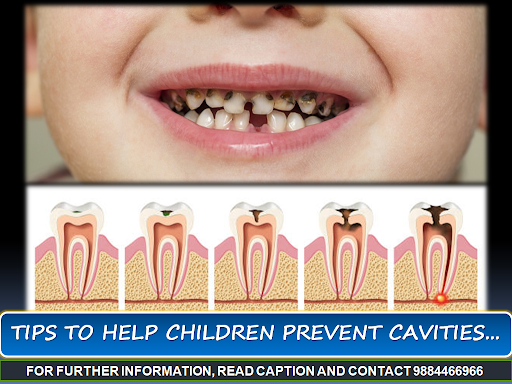
Oral care begins even before your child’s first tooth emerges. You can gently wipe their gums with a clean, damp cloth after feedings. Around your child’s 2nd birthday, introduce a pea-sized amount of fluoride toothpaste when brushing their teeth. Fluoride strengthens tooth enamel, making it more resistant to decay. Demonstrate the correct brushing techniques to your child. Use gentle, circular motions to clean all tooth surfaces. Emphasize the importance of being thorough but gentle to avoid damaging the teeth and gums. Frequent consumption of sugary foods and drinks can contribute to cavities. Encourage a balanced diet rich in fruits, vegetables, and whole grains, and limit sugary treats to occasional indulgences. Allowing your child to fall asleep with a bottle of milk or juice can lead to a condition known as “nursing bottle caries”. If your child needs a comfort item at bedtime, offer a pacifier or a bottle of water instead. Celebrate achievements in your child’s oral care routine. Regular dental check-ups are a cornerstone of preventive care, allowing your dentist to address any potential issues as early as possible. Don’t wait any longer to achieve your perfect smile. Visit us!!!

Oral care begins even before your child’s first tooth emerges. You can gently wipe their gums wit… post imageRead full post

Wear & Tear: The most obvious sign that it’s time to replace your retainer is wear and tear. Over…

Wear & Tear: The most obvious sign that it’s time to replace your retainer is wear and tear. Over time, your retainer may become damaged or worn out, which compromises its ability to do its job properly. If you notice that your retainer is cracked, chipped, or has any other visible signs of damage, it’s time to get a new one. Loose Fit: If your retainer feels loose or doesn’t fit as snugly as it used to, it may be time to replace it. A loose retainer may also be a sign that your teeth have shifted, which is another reason to get a new one & contact your dentist so they can check your smile’s alignment. Discomfort/Pain: If your retainer is causing discomfort/pain, it’s time to get a new one. Your retainer should fit comfortably in your mouth, and you should be able to wear it without irritation. Lost or Damaged Retainer: If you’ve lost or damaged your retainer, it’s important to get a new one as soon as possible. Your teeth can start shifting back to their original position within days of not wearing your retainer which is an end to all your hard work.

Wear & Tear: The most obvious sign that it’s time to replace your retainer is wear and tear. Over… post imageRead full post