Skip to content
Chennai, Tamil Nadu, 600106

Business hours

Apple Dental Clinic

Monday
9:30am-9:30pm
Tuesday
9:30am-9:30pm
Wednesday
9:30am-9:30pm
Thursday
9:30am-9:30pm
Friday
9:30am-9:30pm
Saturday
9:30am-9:30pm
Sunday
10am-2pm

You can contact us anytime during the day with your query.

4442077450

Latest Posts & Updates

Fresh stories, announcements and offers about Dental Clinic, Dentist, Orthodontist, straight from our business.

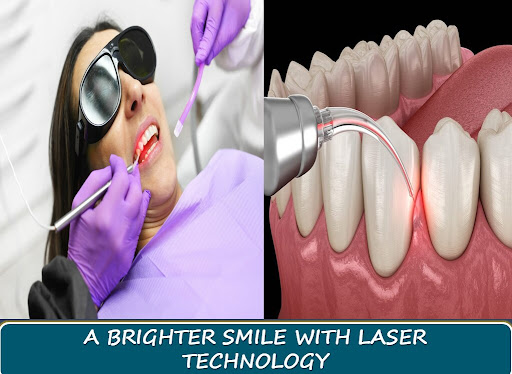
Standing for “light amplification by the stimulated emission of radiation, ” a laser creates ligh…

Standing for “light amplification by the stimulated emission of radiation, ” a laser creates light energy in a very narrow and focused beam. When it hits tissue, it produces a reaction that allows for that tissue to be removed or shaped. Laser dentistry is used in a variety of procedures, including: Treating hypersensitivity Treating tooth decay Treating gum disease Whitening teeth Treating a Gummy smile Crown Lengthening We at Apple Dental clinic provide services that include DMLS Crowns, Implant Prosthesis, Oral Rehabilitation, BPS Dentures Fixing, Smile Design, Implant Retained Dentures etc. With highly trained dental team and state-of-the-art facilities, we are passionate about bringing high quality dental care to our patients at affordable costs.
Standing for “light amplification by the stimulated emission of radiation, ” a laser creates ligh… post imageRead full post

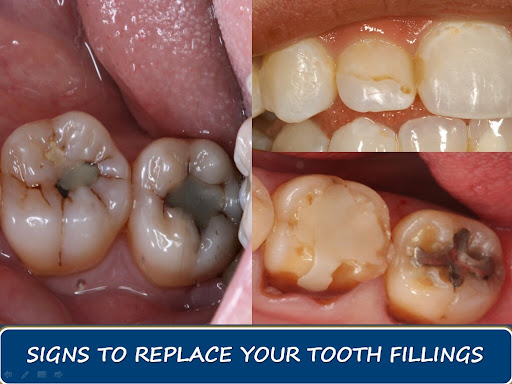
Just like your shoes, fillings can begin to wear out. Knowing when to replace them can keep your…

Just like your shoes, fillings can begin to wear out. Knowing when to replace them can keep your underlying tooth as healthy as possible, and limit the size of the filling that is taking its place. Here are 3 signs to look for when you think it might be time to have your filling changed out: Your tooth is showing sensitivity Suddenly experiencing changes in temperature or feeling sensitive to sweet drinks or foods (something as simple as sweetened tea or coffee) is a sign that new tooth decay is developing around the filling and that the restoration should be replaced. This sensitivity is often specific to that particular tooth, and not a generalized sensation felt across the mouth. 2) You notice discoloration around the filling Over time, the margins of your filling may begin to leak or creep away from the tooth. At this time you might start noticing discoloration of the tooth surrounding the filling, caused by stain that is seeping into the tooth or a breakdown of silver fillings. 3) Food dislodgement around the tooth If leakage of the filling is taking place, you might start feeling food catch between or inside of the tooth after each meal. A space this large means that you need to have it looked at in a timely manner, so that underlying tooth structure isn’t damaged. It’s best to replace your fillings when the earliest signs are beginning to show, so that complications like cavities, fractures, or breakage to the he...

Just like your shoes, fillings can begin to wear out. Knowing when to replace them can keep your… post imageRead full post

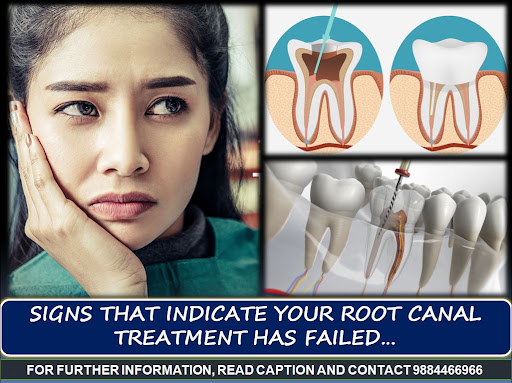
A failed root canal is when your treated tooth experiences some type of complication. Such as re-…

A failed root canal is when your treated tooth experiences some type of complication. Such as re-infection, pain, or breakage in the tooth. There are several different reasons why a root canal can fail (more on that in a bit). Not only is endodontic failure painful in most cases, but it also puts you at a high risk of tooth loss. As a general rule of thumb, you should speak to your dentist any time a tooth “just doesn’t feel right.” Pain, pressure, or swelling are obvious reasons to schedule a dental appointment. The best thing to do is to rule out any concerns before they have the chance to get any worse. If you feel any type of pain or throbbing when you bite down on your root canal tooth, schedule a dental appointment immediately. It could be that the tooth is abscessed again or that the root has cracked. Even if you don’t have a major nerve feeding your tooth anymore, there are still other tissues and nerve endings around it that won’t feel right if there’s a problem. If you notice failed root canal symptoms in the days, weeks, or months after your endodontic procedure, make sure you tell your dentist. Even though failed root canal therapy is rare, it does happen from time to time. Dr. Deepak Kamalanathan, one of the leading prosthodontists in Chennai, brings years of experience in advanced dental care to his flourishing practice at Apple Dental. He is well-versed on advanced dental technologies. Services provid...

A failed root canal is when your treated tooth experiences some type of complication. Such as re-… post imageRead full post

One of the most common causes of toothache and sinus pain is a sinus infection, also known as sin…

One of the most common causes of toothache and sinus pain is a sinus infection, also known as sinusitis. When the tissue lining the sinuses becomes inflamed and swollen, it blocks the airflow, allowing trapped germs to cause an infection. As the sinuses swell, they can put pressure on nerves running to the roots of the teeth, resulting in a toothache. Additionally, dental problems such as tooth decay, gum disease, tooth fractures, or damaged fillings can cause a toothache. In some cases, an infection at the root of the tooth or between the tooth and gum may also be responsible for causing pain. The symptoms of a sinus infection include head congestion, runny or stuffy nose, cough, pressure or pain in the face, postnasal drip, nasal congestion, fatigue, and fever. To determine whether a toothache is due to a sinus infection or a dental problem it is essential to observe any accompanying symptoms and take note of where specifically you feel pain; then provide this information to your dental professional to help diagnose the cause. If you’ve ever experienced the discomfort of a toothache or sinus pain, you know how painful and disruptive it can be. If you are experiencing these symptoms, it is important to , visit a dentist or healthcare professional for a proper diagnosis. During your appointment, the doctor or dentist will evaluate your symptoms and medical history and may suggest further tests such as dental X-rays or CT scans...

One of the most common causes of toothache and sinus pain is a sinus infection, also known as sin… post imageRead full post

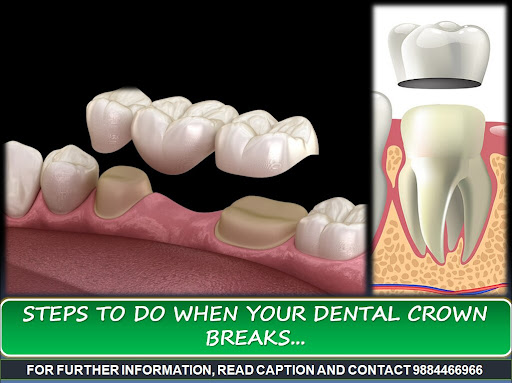
A dental crown is a common solution for various dental issues, providing protection and restorati…

A dental crown is a common solution for various dental issues, providing protection and restoration to damaged teeth. However, dental crowns are not invulnerable, and there may come a time when you face the unexpected situation of a broken dental crown. It can be a disturbing experience, but knowing how to handle it is crucial to ensure your oral health remains intact. In this guide, we will walk you through the five essential steps to take immediately when your dental crown breaks. 1: Assess the Damage The first step when your dental crown breaks is to assess the damage. Take a close look at the affected area in your mouth and try to determine the extent of the break. Does it only involve the crown, or has it affected the underlying tooth structure? Understanding the nature of the damage will help you make informed decisions moving forward. 2: Clean & Protect Once you’ve removed the broken dental crown, it’s essential to clean both the crown and the affected tooth. Rinse your mouth with warm water to ensure there are no food particles or debris trapped between the crown and your tooth. Next, gently clean the crown, careful not to damage it further. You can use a soft toothbrush and toothpaste for this purpose. 3: Pain Management A broken dental crown can often lead to dental sensitivity or discomfort. To manage pain, you can take over-the-counter pain relievers as directed on the packaging. Sometimes, you can also use dental...

A dental crown is a common solution for various dental issues, providing protection and restorati… post imageRead full post

Hypertension can put you at higher risk of certain dental issues, such as dry mouth and gum disea…

Hypertension can put you at higher risk of certain dental issues, such as dry mouth and gum disease. However, high blood pressure itself does not impact your oral health. Rather, it’s the medication you take to control it that can affect your teeth and gums.  1. Enlarges Your Gums Some calcium channel blockers used to treat high blood pressure have been known to cause gingival hyperplasia as a side effect, which can lead to painful gums. Gingival hyperplasia is when the gum tissue surrounding the teeth grows abnormally and becomes enlarged. Without treatment, the gum tissue could eventually grow so much that it completely covers your teeth.  Gum overgrowth makes it difficult to eliminate plaque and bacteria with regular brushing and flossing. As plaque builds up beneath the overgrown gum line, your mouth becomes more vulnerable to tooth decay and gum disease. Gingival hyperplasia from blood pressure medication can also make your teeth hurt, and cause difficulty chewing.  2. Causes Dry Mouth Some of the alpha and beta blockers used to treat hypertension and high blood pressure are among these medications.  People with dry mouth can’t produce enough saliva to sufficiently get rid of food particles and bacteria. The dry environment becomes a breeding ground for bacteria that can cause extensive damage to your teeth before you get the chance to brush and floss. The bacteria also attack your gums, causing inflammation that eventually leads to...

Hypertension can put you at higher risk of certain dental issues, such as dry mouth and gum disea… post imageRead full post

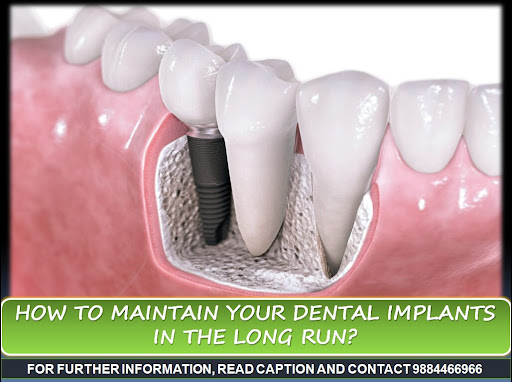
Dental implants serve as artificial tooth roots, anchoring replacement teeth securely into your j…

Dental implants serve as artificial tooth roots, anchoring replacement teeth securely into your jawbone. These prosthetic roots are typically made of titanium, a material known for its compatibility with the human body. A beautiful and confident smile is a powerful asset, and dental implants play a crucial role in restoring that confidence. Whether you’ve recently undergone dental implant surgery or you’re considering it in the future, caring for your dental implants is paramount for their longevity and your overall oral health. The period immediately following your dental implant surgery is crucial for the success of the procedure. Follow these instructions diligently to support the initial healing process. Oral Hygiene During Recovery: Brush your teeth gently, avoiding the surgical area. Use a soft-bristled toothbrush and non-abrasive toothpaste. Follow your dentist’s recommendations for cleaning the implant site. Rinsing your mouth with a saline solution, as advised by your dentist, helps keep the surgical area clean and promotes healing. Maintaining impeccable oral hygiene is paramount for the longevity of your dental implants. Proper brushing and flossing techniques play a crucial role in preventing plaque buildup. Also, it helps maintain gum health and safeguard the integrity of your implants. Brushing & Flossing Techniques for Better Oral Health:  Opt for a soft-bristled toothbrush to avoid damaging the implant...

Dental implants serve as artificial tooth roots, anchoring replacement teeth securely into your j… post imageRead full post

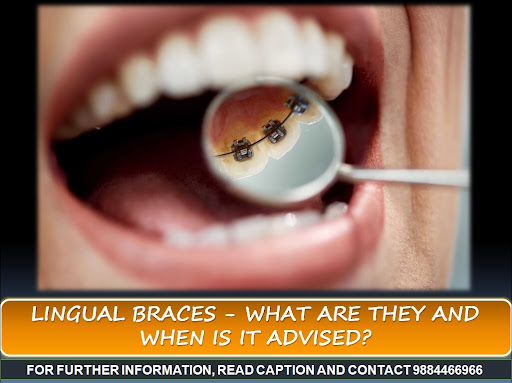
Lingual braces are no different from traditional braces, except they’re designed to be worn on th…

Lingual braces are no different from traditional braces, except they’re designed to be worn on the back of your teeth rather than the front. The biggest reason why people choose these “hidden” braces is that you can’t see them whenever you’re talking or smiling; they’re physically blocked from plain view by your teeth. If you don’t qualify for clear aligners or don’t want ceramic braces because they’re still visible, behind the teeth lingual braces or invisible braces are the next best choice when straightening teeth. Lingual braces are a great option for many people because they treat most orthodontic concerns. But this doesn't necessarily mean that everyone should get them. It really depends on the severity of your tooth misalignment and if you're willing to take the time to maintain good oral hygiene habits around these hard-to-clean appliances. The best thing to do is talk to a dentist or orthodontist who offers several different types of braces, then weigh the pros and cons of each one in your situation. As an expert, your provider will be able to give you a professional opinion on what has worked best for other patients in your circumstances. Dr. Deepak Kamalanathan, one of the leading prosthodontists in Chennai, brings years of experience in advanced dental care to his flourishing practice at Apple Dental. He is well-versed on advanced dental technologies. Services provided by the doctor include Zirconia, DMLS and PFM ...

Lingual braces are no different from traditional braces, except they’re designed to be worn on th… post imageRead full post

A lot of people get cavities between their teeth or in the deep pits and grooves of their back te…

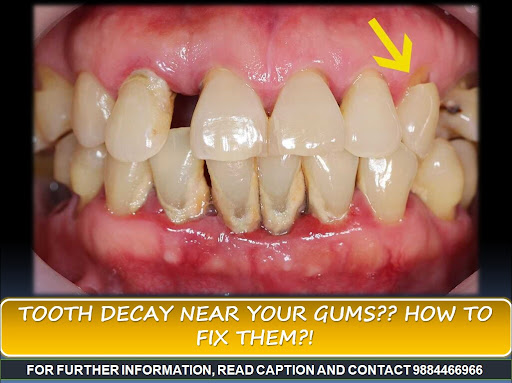
A lot of people get cavities between their teeth or in the deep pits and grooves of their back teeth. It’s easy to see why, those areas are either hard to clean or don’t get cleaned at all. But there’s another spot on your teeth that is also known to get tooth decay easily: the part right next to your gum line. Gum line cavities are areas of tooth decay on smooth tooth surfaces right next to the edges of your gums. Tooth decay next to your gums forms the same way any other cavity does. First, plaque bacteria rests on the tooth for too long or too frequently, and the acid levels begin etching away at the outermost layer of your tooth enamel. Why? Because they start forming on easy-to-clean smooth surfaces rather than narrow crevices that you can barely reach! Cavities next to your gums aren’t as common as tooth decay between your teeth or on the chewing surfaces. But if you aren’t brushing next to your gums very well, you have a dry mouth, or your diet isn’t all that great, tooth decay will pop up wherever it gets the chance. With good home care and hygiene routine, you can lower your risks of getting a cavity. Especially on the easier-to-clean smooth surfaces such as the parts of your teeth right next to your gums. Dr. Deepak Kamalanathan, one of the leading prosthodontists in Chennai, brings years of experience in advanced dental care to his flourishing practice at Apple Dental. He is well-versed on advanced dental technolo...

A lot of people get cavities between their teeth or in the deep pits and grooves of their back te… post imageRead full post

Have you recently had a dental filling and are now wondering why your tooth still hurts? It’s a c…

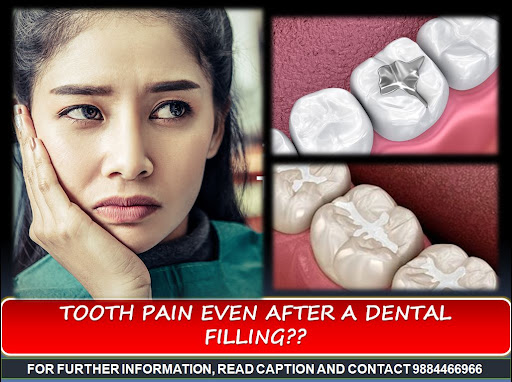
Have you recently had a dental filling and are now wondering why your tooth still hurts? It’s a common concern and can leave you feeling puzzled and uncomfortable. Dental fillings are designed to restore your tooth and alleviate pain, so when you continue to feel discomfort, it’s natural to ask, “Why is this happening?”. Understanding why your tooth might still ache after a filling is crucial for addressing the issue effectively. Common Reasons for Tooth Pain After a Filling include: High Filling: If your tooth feels sore after a filling, the first thing to check is whether the filling is too high. A high filling means the material is raised above the natural tooth surface, causing improper contact with the opposing tooth. This can lead to discomfort or pain when you bite down. Inflammation in the Tooth Nerve: After a filling, inflammation of the tooth’s nerve can occur. This happens because the filling might have exposed the nerve or aggravated it during the procedure. Inflammation can cause persistent pain or sensitivity. Cracked Tooth or Tooth Damage: Sometimes, the tooth can have cracks or damage that existed before the filling was placed. The filling might cover up these issues, but the pain from the underlying problem can persist or worsen. Filling Material Sensitivity: Certain types of filling materials, especially composite resins, can cause sensitivity after placement. This is often a temporary issue as your tooth ...

Have you recently had a dental filling and are now wondering why your tooth still hurts? It’s a c… post imageRead full post

Dentures are a common dental solution that many people with missing teeth rely on. They are remov…

Dentures are a common dental solution that many people with missing teeth rely on. They are removable prosthetic devices that can help you regain your confident smile and ability to eat comfortably. While durable and long-lasting, they are not indestructible. The thought of your dentures breaking is never a pleasant one. They are essential in your daily life as they enable you to eat, speak, and smile confidently. However, accidents happen, and dentures can break in the blink of an eye. If you’re a denture-wearer and you’ve found yourself in this situation, it’s essential to know what steps you should take immediately to ensure your oral health and overall well-being. When you realize your dentures are broken, the first step is to assess the damage. Determine how extensive the damage is and whether the dentures can be repaired. While searching the internet for a DIY tutorial on fixing your dentures may seem like a quick and easy fix, it’s not advisable to do so. Attempting to fix dentures yourself can result in further damage, making them more complicated and expensive to repair. When your dentures are broken, the first person you should contact is your prosthodontist, especially if you experience any discomfort or pain. They will examine your dentures and determine whether they can be repaired or if you need to order new ones. They will also bridge the gap to ensure you don’t have to go without teeth or suffer further damage...

Dentures are a common dental solution that many people with missing teeth rely on. They are remov… post imageRead full post

Dental cleanings are a crucial part of maintaining good oral health. They help remove plaque and…

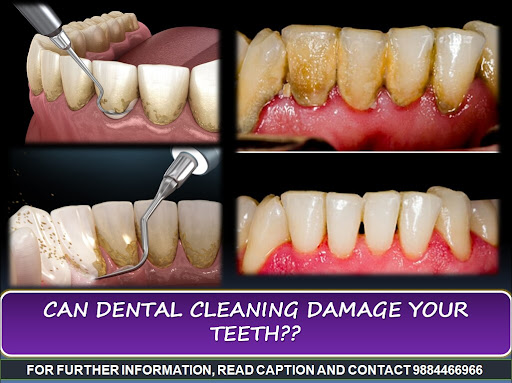
Dental cleanings are a crucial part of maintaining good oral health. They help remove plaque and tartar buildup,  which can lead to tooth decay and gum disease. However,  some people are concerned that dental cleanings can damage their teeth. The short answer is no, dental cleanings do not damage teeth. The tools and techniques used by dentists are designed to be gentle on the teeth and gums. In fact,  dental cleanings can actually help to protect your teeth from damage by removing harmful plaque and tartar. Here are some of the common myths about dental cleaning: Myth 1: Dental cleanings can erode enamel. Enamel is the hard outer layer of teeth. It is very strong and can withstand the forces of normal brushing and flossing. Dental cleanings use specialized tools that are designed to remove plaque and tartar without damaging enamel. Myth 2: Dental cleanings can cause gum recession. Gum recession is a condition in which the gums pull away from the teeth,  exposing the roots. This can make teeth more sensitive and can also lead to tooth loss. However,  dental cleanings do not cause gum recession. In fact,  they can help to prevent gum recession by removing plaque and tartar from the gum line. Myth 3: Dental cleanings can damage fillings. Fillings are used to repair cavities. They are made of durable materials that can withstand the forces of normal chewing. Dental cleanings do not damage fillings. In fact,  they can help to...

Dental cleanings are a crucial part of maintaining good oral health. They help remove plaque and… post imageRead full post