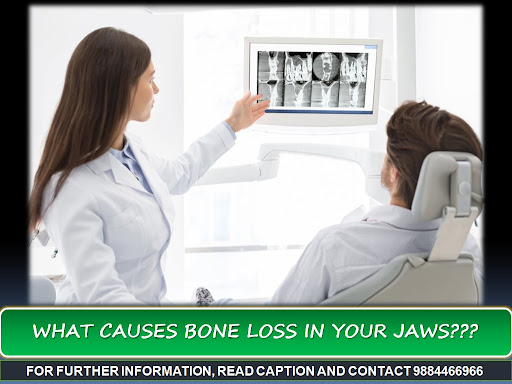
Jawbone loss refers to the deterioration of the jawbone tissue. Your jawbone supports your teeth…
Jawbone loss refers to the deterioration of the jawbone tissue. Your jawbone supports your teeth and gives structure to your face. When the bone weakens, it can lead to various dental issues, such as loose teeth, gum disease, or even a change in the shape of your face. Without intervention, this condition may progress to the point where it becomes difficult to chew, speak, or even maintain your natural teeth. That’s why it’s important to catch it early and explore treatment options.
Several factors can contribute to the gradual loss of jawbone density, and it’s important to be aware of the symptoms. The most common causes include:
Tooth Loss or Extraction: One of the main reasons for jawbone loss is the absence of teeth. When you lose a tooth, whether due to injury or extraction, the area of the jaw that once supported the tooth root no longer receives the stimulation it needs. Over time, this lack of stimulation causes the bone to deteriorate.
Periodontal (Gum) Disease: Chronic periodontal disease is another major cause of jawbone loss. This infection of the gums destroys the tissue and bone that hold your teeth in place. Left untreated, gum disease can progress from gingivitis to periodontitis, resulting in tooth loss and significant jawbone deterioration.
Dentures and Bridges: While traditional dentures and dental bridges serve as replacements for missing teeth, they don’t stimulate the jawbone the way natural...