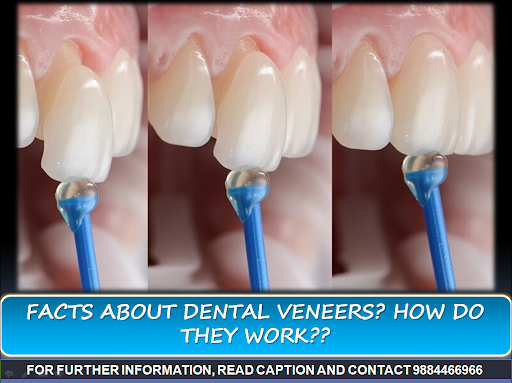
A tiny portion of the tooth’s enamel must be removed to accommodate the thickness of the veneers.…
A tiny portion of the tooth’s enamel must be removed to accommodate the thickness of the veneers. This is carefully calibrated to ensure the tooth structure is solid and the front adheres firmly. For veneers to match naturally with natural teeth, color, and texture, a proper blend of the mixture is essential. Dental experts consider tooth color, clarity and surface texture to guarantee that the fronts blend with neighboring teeth. Veneers can correct aesthetic issues like chipped, stained, out-of-place, or irregularly shaped teeth. They interact with light similarly to real teeth to seem natural and fit in with the smile. Veneers can last for many years if they are taken care of correctly. Their durability and lifespan result from the scientific accuracy in creating & applying dental masks and improvements in dental materials.
Veneers are an excellent example of how art & science are combined in dentistry, from the selection of materials to the accuracy of customization and adhesive procedures. Understanding the concepts of veneers will help you make an educated choice if you’re thinking about getting them to improve your smile.