Skip to content
Chennai, Tamil Nadu, 600106

Business hours

Apple Dental Clinic

Monday
9:30am-9:30pm
Tuesday
9:30am-9:30pm
Wednesday
9:30am-9:30pm
Thursday
9:30am-9:30pm
Friday
9:30am-9:30pm
Saturday
9:30am-9:30pm
Sunday
10am-2pm

You can contact us anytime during the day with your query.

4442077450

Latest Posts & Updates

Fresh stories, announcements and offers about Dental Clinic, Dentist, Orthodontist, straight from our business.

Don’t Use Tobacco and Alcohol: Smoking creates suction, which can loosen the blood clot. Smoking,…

Don’t Use Tobacco and Alcohol: Smoking creates suction, which can loosen the blood clot. Smoking, as well as using alcohol, also slows healing. Be honest with your dentist about your consumption. Diet: You will need to be extra careful while eating and drinking for several days after your extraction. To minimize your chances of developing a dry socket don’t drink through a straw, which could dislodge the clot. Don’t chew on the side of your extraction. Attend Your Follow-Up Visits: Follow-up appointments allow your dentist to make sure the extraction site is healing as it should. It is important to attend these visits to allow your dentist to address any problems as soon as possible. Although dry socket is treatable, your healing process after a tooth extraction will be much more comfortable if you can avoid this issue. Putting these tips into practice will help lower your risk of getting dry socket.
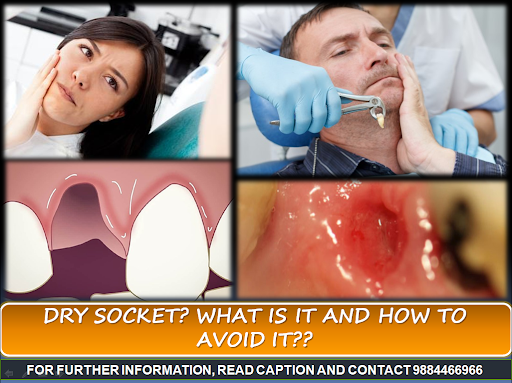
Don’t Use Tobacco and Alcohol: Smoking creates suction, which can loosen the blood clot. Smoking,… post imageRead full post

Wash & Dry Correctly: Basic toothbrush maintenance can help keep your toothbrush clean. After bru…

Wash & Dry Correctly: Basic toothbrush maintenance can help keep your toothbrush clean. After brushing your teeth, simply rinse your toothbrush with hot water. Agitate the toothbrush bristle to remove any additional paste or debris, then rinse again in cold water. Make sure you aren’t placing your toothbrush directly back into a closed case while it’s still wet. Your toothbrush needs to air-dry to avoid growing new bacteria. Replace your Toothbrush Regularly: Even the cleanest toothbrush will become ineffective over time. After months of use, the bristles will wear out and will not do their job of cleaning your teeth nearly as effectively. The experts recommend changing your toothbrush every 3-4 months to keep your bristles both clean and in working order. Don’t Share Toothbrushes: Even if you’re comfortable sharing food, drinks and utensils with friends and family members, it’s best not to share a toothbrush. Experts warn against this practice because sharing a toothbrush means sharing someone else’s bacteria. Follow these tips for better oral health and don’t hesitate to reach out to us!

Wash & Dry Correctly: Basic toothbrush maintenance can help keep your toothbrush clean. After bru… post imageRead full post

Researchers have found a significant connection between periodontal infection and other severe he…

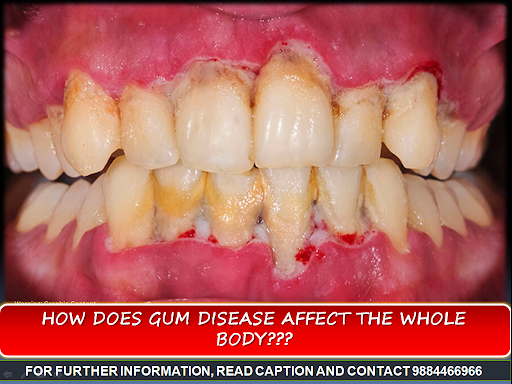
Researchers have found a significant connection between periodontal infection and other severe health conditions. Experts suspect that this link stems from the fact that periodontal disease is an active infection that can and will inevitably spread. Individuals with advanced gum disease are also at a higher risk of developing the following conditions: Coronary Artery Disease: The toxic irritants found in periodontal bacteria can reach the arteries by traveling throughout your bloodstream. This can cause swelling in the arteries as well, creating a blockage, increasing the risk of heart attack or stroke. Diabetes: Diabetes interferes with the body’s immune system. As your natural defenses try to eliminate the infection, blood sugar levels are disrupted, making diabetes challenging to control. Pregnancy Problems: The hormones prevalent during pregnancy can put women at risk for gum inflammation and, eventually, periodontal disease. Also, periodontal disease during pregnancy is often present in women who have delivered prematurely or given birth to underweight babies. Even if you have these symptoms, don’t give up! When caught early, gum disease can be prevented, and the damage repaired. Take a proactive approach & visit your dentist.

Researchers have found a significant connection between periodontal infection and other severe he… post imageRead full post

A periodontist (gums specialist) can treat any issues in the gums that you might have before fitt…

A periodontist (gums specialist) can treat any issues in the gums that you might have before fitting braces. An exam involves investigating the state of your bone structure, teeth, bite, and gums. Factors to consider while evaluating your oral health include your age and underlying medical conditions. Your teeth and gums need to be healthy before braces. The wires and brackets and even clear aligners can trap food and bacteria and make gum disease much worse. If periodontal disease is present, you will need some specialized treatment before you can wear new braces. A professional dental evaluation significantly increases your chances of having successful orthodontic treatment. Your dentist and periodontist will work together to achieve and maintain your optimal oral health. Visit us to know more!!!

A periodontist (gums specialist) can treat any issues in the gums that you might have before fitt… post imageRead full post

Amalgam is an alloy made with several different kinds of metals, including nickel, tin, silver &…

Amalgam is an alloy made with several different kinds of metals, including nickel, tin, silver & mercury. It’s the mercury in the amalgam that remains a concern, and when fillings break down or become dislodged from a tooth, the metal can enter the body through inhalation or ingestion. Mercury is a highly toxic metal that many people contribute to a variety of health issues such as immune system disorders, hormone problems & other systemic problems. The question of whether amalgam fillings need replacing is still controversial. If the amalgam fillings you have are in good condition and are not worn or chipped or broken, then it may be better for those fillings to remain in place. In some cases, removing fillings that are in good condition might lead to unnecessary mercury exposure. However, if you have amalgam fillings that are deteriorating, it may be wise to consider having them removed & replaced with biocompatible resin. If you need to have them removed, be sure to thoroughly research the topic and find a dentist with great experience and reputation.

Amalgam is an alloy made with several different kinds of metals, including nickel, tin, silver &… post imageRead full post

Childhood: During early childhood, you develop your first set of teeth, which helps to establish…

Childhood: During early childhood, you develop your first set of teeth, which helps to establish jaw function as well as hold the space for permanent teeth. Primary teeth are essential in building the foundation for a healthy smile. Building habits such as brushing & flossing every day promotes healthy teeth. Building good hygiene habits during this stage allows patients to enjoy good oral health throughout their lifetimes. Teenage: As permanent teeth develop, they do not align properly. This can cause crowding and make it difficult to clean in between teeth, leading to decay. Regular cleanings and exams can help prevent tooth decay and lower the risk of a dental emergency. Adulthood: As an adult, teeth can wear down differently, tartar can build up below the line, and decay can continue to cause damage. Discoloration can leave you feeling much less confident about your smile. See your dentist at least once every six months & maintain a rigorous oral health routine. Seniors: In the later stages in life, teeth may need to be replaced using prosthetics such as implants. Maintaining your jawbone health is essential to preserve dental function and maintain a high quality of life. You can explore a range of options to restore the functionality and aesthetics of your smile.

Childhood: During early childhood, you develop your first set of teeth, which helps to establish… post imageRead full post

Proper Denture Care: Maintaining good oral hygiene is crucial for the longevity of your dentures…

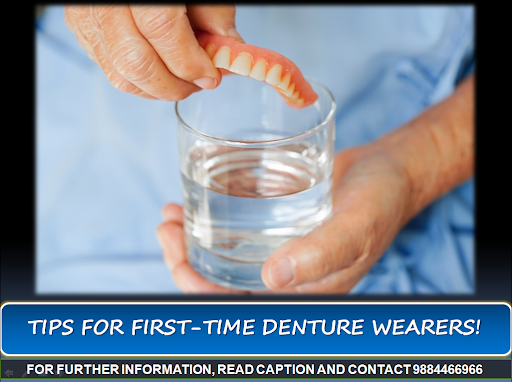
Proper Denture Care: Maintaining good oral hygiene is crucial for the longevity of your dentures and the health of your remaining teeth & gums. Clean your dentures daily with a soft-bristled brush & denture cleaner to remove food particles, plaque & bacteria. Practice Proper Eating Habits: In the beginning, stick to soft foods and cut them into smaller pieces to make chewing easier. Avoid sticky or hard foods that can dislodge your dentures or cause discomfort. As you become more accustomed to wearing dentures, gradually reintroduce a variety of foods into your diet, chewing carefully & evenly on both sides of your mouth. Use Adhesive Sparingly: Denture adhesive can help improve the stability and retention of your dentures, especially if you have lower dentures. However, it’s essential to use adhesive sparingly and according to your dentist’s recommendations. Stay Hydrated: Dry mouth is a common issue for denture wearers, which can lead to discomfort & oral health problems. Stay hydrated by drinking plenty of water throughout the day. Avoid sugary or acidic beverages that can contribute to tooth decay & gum infection.

Proper Denture Care: Maintaining good oral hygiene is crucial for the longevity of your dentures… post imageRead full post

These scans produce a full-color, high-resolution digital image in real time. You can also view,…

These scans produce a full-color, high-resolution digital image in real time. You can also view, enlarge, and distribute it to team members or specialists to go along with the treatment. Dentists can use an intraoral scanner to monitor patient gum health and quickly identify the location and extent of tooth fractures, calculus, deteriorating restorative work, and inflammation. Dentists can also use intraoral scanners after treatment. They offer a simple and accurate way for both doctor and patient to view and track the treatment’s results. Dr. Deepak Kamalanathan, one of the leading prosthodontists in Chennai, brings years of experience in advanced dental care to his flourishing practice at Apple Dental. Well-versed on advanced dental technologies, he's passionate about providing dental care at affordable rates. Visit us!

These scans produce a full-color, high-resolution digital image in real time. You can also view,… post imageRead full post

When we talk about direct-to-consumer or online clear aligners, we mean the ones you can buy over…

When we talk about direct-to-consumer or online clear aligners, we mean the ones you can buy over the internet, without the help of a dentist. These cost savings are possible because of the minimal level of care you receive. Generally, the online clear aligner process involves consumers taking an impression of their teeth at home, sending them and receiving clear aligners through the post & going through the treatment without any dentist intervention. This kind of minimum supervision orthodontic treatment can result in poor outcomes or permanent damage to patients who get influenced by these advertisements. It can be tempting to choose the cheaper route for anything especially as budgets continue to be squeezed. But there’s a reason why dentists are speaking out about the dangers of online clear aligners. Many have seen the pain and damage caused when patients have chosen to straighten their teeth at home. Ultimately, the risk to our oral health through cheap, online like this are never worth it.

When we talk about direct-to-consumer or online clear aligners, we mean the ones you can buy over… post imageRead full post

Gums and teeth sensitive to hot or cold foods: Sensitivity can be an early sign of decaying teeth…

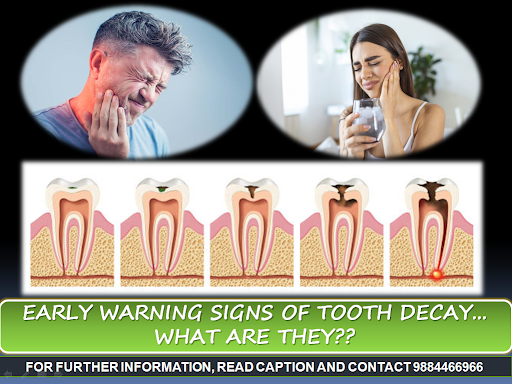
Gums and teeth sensitive to hot or cold foods: Sensitivity can be an early sign of decaying teeth When cavities start to form, they’re undetectable to the naked eye but not for the teeth and gum nerve endings. Cavities start as small pits in the teeth, and as the enamel wears down, the interior nerves are subject to and react to certain foods and beverages. Bleeding gums: Gum disease often accompanies tooth decay and is a sign of rotting teeth. Bleeding gums are common with tooth decay in children. See your pediatric dentist if your child’s gums bleed for any reason. Discolored teeth: Small brown or black spots are often the sign of cavities and an early sign of tooth rot. You may also notice a dull white band on the surface of the tooth, close to the gum line, which is usually an early sign of rotting teeth. Foul breath: Foul breath is one of the early signs of teeth rotting. When too much bacteria builds up in the mouth, bad breath soon follows. And not long after that, tooth decay as well. Think of bad breath as an early warning sign of tooth decay. Toothache: A toothache is one of the most classic signs of early tooth decay which can come without a warning.

Gums and teeth sensitive to hot or cold foods: Sensitivity can be an early sign of decaying teeth… post imageRead full post

Many people wonder, “Are cavities hereditary?”. While cavities alone are not genetically passed d…

Many people wonder, “Are cavities hereditary?”. While cavities alone are not genetically passed down, the risk of dental susceptibility can be passed down. Genetics account for up to 65% of tooth decay or other dental predispositions. Parents can pass down the risk of developing cavities to their kids, especially mothers when pregnant with their children. Since tooth decay is a transmissible disease, the cavity-causing bacteria in the mother’s mouth can be passed down to a child in-utero. Mothers must visit their dentist regularly before and during pregnancy to ensure their mouths do not have cavity-causing bacteria. In addition, sharing the same drink, or even a spoon or fork, with your child can contribute to them developing cavities through the transfer of saliva. While genetics can be the cause of cavities in children, it is crucial to remember how good oral hygiene can help prevent the development of tooth decay. Regular visits to the dentist can help prevent cavities and promote good oral heath!

Many people wonder, “Are cavities hereditary?”. While cavities alone are not genetically passed d… post imageRead full post

A 2021 study published in Clin Oral Invest concluded that in the short term, it might look like y…

A 2021 study published in Clin Oral Invest concluded that in the short term, it might look like your teeth are brighter after using charcoal toothpaste because stains and plaque have been rubbed away. However, in the long term, charcoal toothpaste simply wears tooth enamel down, which can never be re-grown. Then there is the concern about tooth decay. A review in the British Dental Journal from early 2019 found that charcoal provides little protection against tooth decay. In fact, the study found that adding powdered charcoal to toothpaste can actually worsen the state of fillings and get caught in the gums and irritate them. For more information about charcoal toothpaste or to schedule a teeth cleaning appointment, don’t hesitate to contact us!!!

A 2021 study published in Clin Oral Invest concluded that in the short term, it might look like y… post imageRead full post