When plaque accumulates it can mineralise, causing it to harden within 24 to 72 hours, turning in…
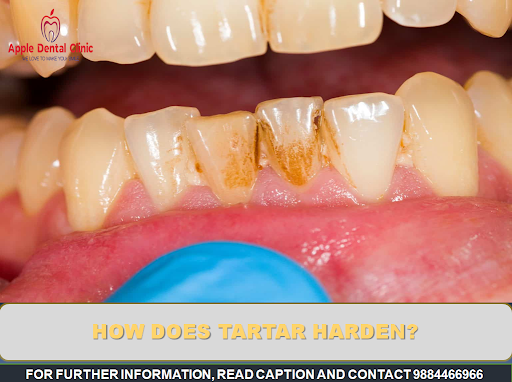
When plaque accumulates it can mineralise, causing it to harden within 24 to 72 hours, turning into a substance called tartar or calculus. Tartar tends to bond quite strongly to tooth enamel. The most prevalent areas where this occurs are adjacent to salivary glands, such as the lower front teeth and the upper molars next to the cheeks. It’s tough stuff. This hard, crusty material can trap stains, turning yellow or brown. As we age we become more prone to tartar build up. You also have a greater risk of developing tartar if you suffer from dry mouth, have crowded teeth or smoke. About two-thirds of all adults have tartar build up on their teeth. The inflammation from the bacteria not only becomes gum disease, it can produce an inflammatory effect throughout your body and cardiovascular system. The best way to fight tartar is to constantly reduce the formation of plaque. Which you can do at home. Once it becomes tartar, you’ll need the help of a dental professional.